Britta Friedrich, Leiterin des Migros-Pionierfonds, sagt, dass die Menschen in der Schweiz bauliche Verdichtung akzeptieren – wenn damit ein Mehrwert verbunden ist.
Schweizer Politiker wollen höhere Steuern und höhere Schulden. Doch das Problem sind nicht fehlende Einnahmen, sondern immer höhere Ansprüche an den Staat, analysieren Lukas Leuzinger und Giuseppe Gracia
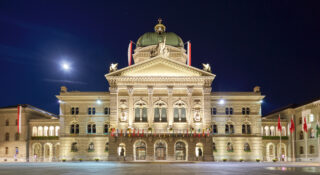
Bei einer Annahme der EU-Verträge hätten nicht nur das Bundesparlament in Bern, sondern auch Volk und Stände weniger zu sagen.
Foto: Axel Tschentscher / CC BY-SA 4.0
Das Vertragspaket hat massive Auswirkungen auf die schweizerische Demokratie. Daher ist das obligatorische Referendum nicht nur möglich – es ist gemäss bisheriger Praxis sogar angezeigt.
Sanija Ameti hat sich durch ihr dummes und geschmackloses Verhalten selbst entlarvt. Sie strafrechtlich zu belangen, ist eines liberalen Staates jedoch unwürdig.
Amazon, Uber, Airbnb: Als Konsumenten schätzen wir die grossen Internetplattformen – als Bürger wollen wir ihre Macht begrenzen. Das stellt auch das Kartellrecht vor neue Herausforderungen.
Das Märchen «Hans und die Bohnenranke» thematisiert Mut, List und das Überwinden von Armut.
Bild: Dawn Hudson/Creative Commons CC-0.
Amazon, Uber, Airbnb: As consumers, we want platforms to be big; as citizens, we want to limit their power. We can’t fully achieve both, but we can come close – by subjecting them to constitutional-style constraints.